
Featured Creator
Novelist and Song Writer J. H. McIntosh
Search for Creators by category, medium, or specialty
Discover creators, explore their work, and connect directly.
Trending


More About "It's Impossible"
By: J H McIntosh
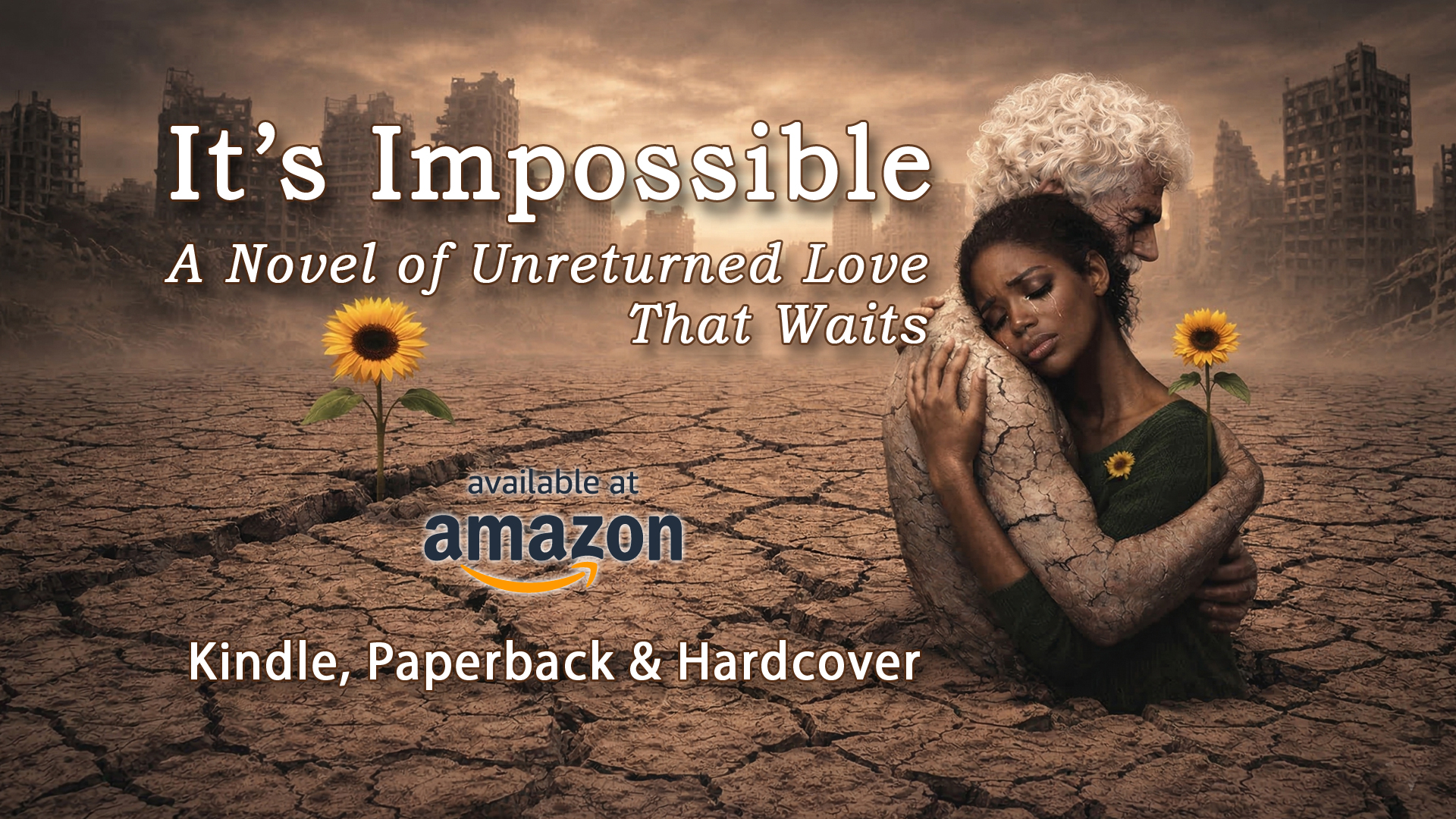
There are moments that mark you—not with fireworks, but with quiet weight. Like the hush before a storm. The breath before a confession.
For me, that moment was her.
I won’t say her name here. I don’t need to.
If you’ve ever loved someone in a way that reshapes your understanding of what love even is, then you already know her.
She’s the one you don’t try to possess.
The one whose absence lingers deeper than most people’s presence.
I was a man of routines. Successful. Respected.
But Professor Remembers Roadhouse & Bakery Café—that wasn’t just a business.
It was my soul’s offering to the world.
Every corner of it hummed with the music I didn’t just grow up loving—
it saved my life.
The menu was a composition.
Curated with the care of a man who remembered every bite that ever meant something.
Each dish earned its place.
Drawn from cafés and kitchens across the world,
where food had stirred something in me—comfort, longing, wonder.
Nothing made the cut unless it came with a story.
Like Professor Remembers Unforgettable Brownies—born from a moment that deserved to be tasted again.
Every dish held a memory worth savoring, or a lesson worth sharing.
Because at Remembers, the food wasn’t just nourishment—it was narrative.
And the stage? That was sacred ground.
Built for the ones who had to sing—who couldn’t not sing.
Their pain. Their joy. Their truth.
Remembers was the closest thing I ever made to a mirror.
A place where people who felt unseen could finally feel heard, cared for… and never forgotten.
And then she walked through the door.
I didn’t recognize it right away,
but something in me did.
A stillness.
A kind of spiritual leaning.
Not attraction the way most people mean it, though she was stunningly beautiful—this was deeper.
Stronger.
Unearned.
Inexplicable.
It puzzled me.
This quiet, insistent longing to give to her—without needing anything in return.
Where did that come from?
That’s the thing about love when it’s not self-seeking.
It doesn’t calculate the odds or wait for permission.
It just gives—sometimes to its own undoing.
And if that giving is real, if it’s rooted in something greater than self,
then it echoes a deeper truth.
The kind of truth you don’t always quote,
or wear on your sleeve, but you try to live.
What happened between us wasn’t a love story in the way people expect.
No promise of forever.
No tidy ending.
It was something deeper.
Something that transcended time, labels, and expectation.
What it became…
That’s the story you’re about to read.
And maybe—if you’re ready—it’ll stir something in you too.

As Aaron Rizzer drives toward Professor Remembers Roadhouse & Bakery Café, an old memory rises unbidden — a painful conversation with Linda years earlier, when she confronted him about living transactionally, chasing success while never learning how to truly be present. Her words still haunt him, lingering like a quiet ache beneath the surface of everything he has built.
At Remembers, the rhythms of the morning rush usually steady him, but this day is different. Trigger, his no-nonsense general manager, introduces him to the new hostess, Belle Belizaire. From the instant Aaron meets her, something in him shifts. Her beauty is undeniable, but what unsettles him more is the deeper, quieter force of her presence — something he cannot explain and cannot dismiss.
What should have been an ordinary introduction lingers in Aaron’s mind long after Belle walks away. For a man who has spent his life measuring outcomes and chasing the next great success, Belle awakens something unfamiliar: not mere attraction, but a profound sense that his life may have just crossed an invisible threshold. Chapter 1 opens the story with memory, regret, and the first spark of a connection that will change everything.

Chapter 2 shifts into Belle Belizaire’s point of view and reveals how unwillingly she arrived at Professor Remembers. She does not want a new beginning so much as she needs one, pushed there by necessity and by a sister who refuses to let her drift. From the start, Belle approaches the job as survival: keep it simple, keep it surface, and never let anyone close enough to matter.
That plan begins to fracture the moment Aaron Rizzer walks into the room. Belle immediately senses that he is different from most men she has known. He is not loud, performative, or possessive. What unsettles her is not ordinary attraction, but the way he seems present, attentive, and quietly listening beneath the surface of their first exchange. For someone who has spent years making sure no one looks too closely, Aaron’s steady regard feels both disarming and dangerous.
As Belle follows Remember's General Manager Trigger away, she cannot shake the feeling that something meaningful has just happened. Her guarded nature, shaped by abandonment, disappointment, and a lifelong fear of trust, tells her to dismiss it. Yet Aaron’s way of saying her name and the strange safety she feels in his presence linger in her thoughts. Chapter 2 deepens the story by showing that the first spark was mutual — and that for Belle, the greatest danger may not be that Aaron wants too much, but that he may be the first man who does not seem ready to leave.

Chapter 3 deepens Aaron Rizzer’s growing attachment to Belle when he finds her alone behind Remember’s, quietly struggling to move boxes into her car. The confident new hostess he had first noticed seems suddenly burdened and fragile, and Aaron is shaken by the sight. For the first time, his instinct to help does not feel performative or self-serving. It feels immediate, protective, and deeply sincere.
As Belle tries to brush off her pain, Aaron senses how much effort it takes for her to hold herself together. When she finally admits she is moving in with her sister in Charlotte because life feels too heavy, Aaron chooses restraint over intrusion. He offers presence instead of pressure, compassion instead of control, and tells her he is there for her with no strings attached. That quiet promise becomes one of the novel’s first clear signs that what is growing in him is not ordinary desire, but something gentler and more reverent.
By the end of the chapter, Aaron realizes that helping Belle has awakened a different part of him — one that wants to give without seeking reward or validation. Watching her carry pain with such quiet strength forces him to confront his own failures and ambitions, but it also opens the possibility that loving her may become part of his own redemption. Chapter 3 marks an emotional turning point, where Aaron begins to understand that grace may look less like winning someone and more like honoring their struggle from a respectful distance.

Chapter 4 returns to Belle’s point of view and reveals just how dangerous vulnerability feels to her. Standing by the trunk of her car, trying to pack up the pieces of a life that feels like it is slipping past her, she fights back tears with the same hard discipline that has defined her for years. Belle has built her identity on self-control, on never becoming the kind of woman who falls apart and must depend on someone else to put her back together.
When Aaron approaches, Belle immediately senses that he sees through the mask she is trying to hold in place. What unsettles her is not pity, pressure, or possessiveness, but the quiet steadiness of his presence. As she admits she is moving in with her sister in Charlotte, Aaron offers her something she hardly knows how to receive: understanding without intrusion, care without demand, and a promise that he is there for her with no strings attached. That offer shakes her more than any grand gesture could, because for the first time she feels the possibility that trust might not always end in betrayal.
By the end of the chapter, Belle recognizes that Aaron’s sincerity has reached her in a way she cannot easily dismiss. She lets the mask slip, just a little, and in doing so discovers that stillness can feel stronger than resistance. Yet that realization terrifies her, because believing him means risking hope. Chapter 4 becomes a turning point in Belle’s inner journey, showing that the real danger is not merely heartbreak, but the growing sense that Aaron may be someone she could actually trust.
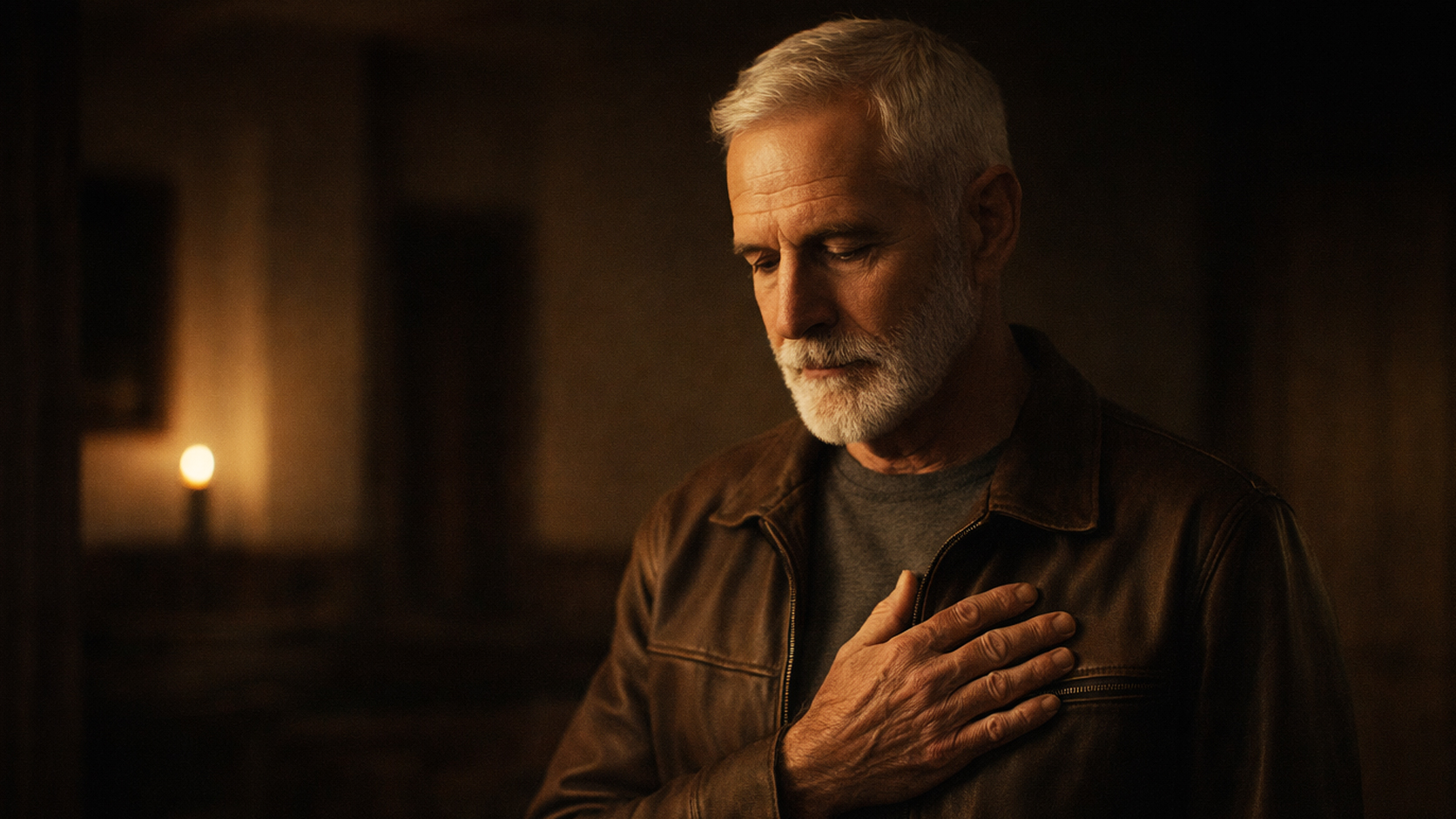
Chapter 31 captures Aaron in the aftermath of a moment so emotionally overwhelming that it leaves him shaken to his core. Simply being near Belle while she buttons his collar floods him with a force he cannot explain, sending him into tears and forcing him to confront the fact that what he feels for her goes far beyond anything he has previously called love. His usual categories no longer fit. What he is experiencing feels deeper, holier, and more consuming than romance or desire alone.
As Aaron reflects over breakfast and on his morning walk, he begins to understand this connection in spiritual terms. He realizes that what happened between them was not physical arousal, but something more profound — as if their souls, rather than their bodies, had drawn close enough to embrace. That revelation reframes everything. It forces him to see how limited his earlier relationships were, and how little he had understood about intimacy, love, and connection before Belle entered his life.
By the end of the chapter, Aaron reaches a quieter, humbler peace. He no longer feels compelled to fully name or explain what is happening. Instead, he accepts that some forms of love belong to a deeper mystery, one that may never be returned in the way he longs for and yet still feels sacred. Chapter 31 becomes one of the novel’s most powerful spiritual turning points, revealing that Aaron’s love for Belle has become less about possession and more about reverence, surrender, and the ache of encountering something he believes may be holy.

Chapter 32 shifts to Belle’s point of view after the moment when she helps Aaron with his shirt collar and feels something profound pass between them. What should have been a small, practical gesture becomes emotionally explosive. Belle senses the energy change the instant she touches him, and for the first time she can no longer pretend that the connection between them is only one-sided or easily explained away.
What unsettles her most is that this feeling is not simply attraction. Belle realizes that what happened felt deeper, almost spiritual, as though something in her recognized something in Aaron before her mind had the words for it. She tries to resist that truth because it threatens the guarded life she has built, but the moment leaves her with the undeniable sense that their bond runs beneath the ordinary categories of romance, desire, or coincidence.
By the end of the chapter, Belle is forced to face a possibility she has spent the whole novel trying to outrun: that Aaron may already see her more fully than anyone ever has, and that some part of her wants to stop running long enough to be known. Chapter 32 becomes a major emotional turning point, revealing that Belle feels the same soul-level pull Aaron described — and that the real struggle now is whether she is brave enough to let that truth change her.

Chapter 45 finds Aaron Rizzer wrestling openly with the overwhelming force of what Belle awakens in him. Her presence affects him so completely that it feels beyond ordinary attraction, beyond even his own sense of control. Instead of hiding from that vulnerability, Aaron asks the chapter’s central question: is it cowardice to retreat from a love that leaves him exposed, or courage to stand in the truth of it, even when nearly every outward sign says it may never be returned?
As he reflects, Aaron comes to see that denying what he feels would be the true act of cowardice. His love for Belle may leave him open to pain, frustration, and uncertainty, but it is also drawing him closer to honesty, humility, faith, and the man he believes God meant him to become. He distinguishes this love from mere physical desire, seeing it instead as something spiritual, patient, and sacrificial — something that asks him to tell the truth, remain present, and honor what is real even when he cannot control its outcome.
By the end of the chapter, Aaron embraces a hard-won peace: he cannot turn this love off, and he no longer wishes to pretend he can. What he can do is wait without pressure, leave room for Belle’s freedom, and trust that whatever “we” may someday mean must unfold in God’s timing, not his. Chapter 45 is one of the novel’s clearest declarations that Aaron’s love is no longer about conquest or reward, but about courage, reverence, and the willingness to keep walking in truth even when the path ahead remains uncertain.

Chapter 46 gives Belle one of her clearest and most revealing reflections on Aaron’s love. She admits that she believes him completely — not just that he desires her, but that he truly sees her and loves her in a way that is not transactional, manipulative, or superficial. That is exactly what makes him so difficult to dismiss. If his love were selfish or temporary, Belle would know how to protect herself. But Aaron’s steadiness leaves her facing something much more unsettling: the possibility that his devotion is real.
Belle’s hesitation is not rooted in indifference, but in fear. She worries that Aaron’s kind of unconditional love could become its own burden if she cannot return it fully, or if she changes and disappoints him. She does not want to become another woman he waits for out of endurance, guilt, or habit. More than anything, she wants love to be freely chosen, not carried like an obligation. That is why she questions whether true courage lies in holding on, or in being willing to loosen one’s grip and let love breathe.
By the end of the chapter, Belle reaches a profound emotional insight: real love may require the freedom to walk away just as much as the desire to stay. She begins to believe that if Aaron can love her without control, pressure, or demand, then perhaps one day she may be brave enough to choose him freely in return. Chapter 46 becomes a pivotal counterpart to Aaron’s chapter, showing that Belle’s struggle is not with whether his love is genuine, but with whether she can trust a love that does not try to trap her.

Chapter 57 reveals Aaron at one of his most tender and vulnerable points, awakening from a dream so vivid it feels less like fantasy and more like prophecy. In it, Belle freely takes his hand, steps into a future with him, and shares a moment of complete emotional, spiritual, and physical union. For Aaron, the dream is not merely wish fulfillment. It feels like a glimpse of a life his heart has already accepted as possible, a life in which love is no longer delayed by fear, distance, or uncertainty.
What gives the chapter its power is not only the beauty of the dream, but the way Aaron interprets it. He sees the imagined moment with Belle as touched by God, as though the love he carries for her is part of something sacred rather than merely personal. The dream confirms for him that what he feels is deeper than longing or desire. It is bound up with grace, destiny, and the hope that one day Belle might choose him freely, completely, and without hesitation.
When Aaron wakes, the loss is sharp, but the dream leaves behind more than ache. It also leaves him with peace, gratitude, and a renewed determination not to give up. Rather than collapsing into despair, he carries the dream into the day as a kind of holy encouragement — a reminder that even if the life he longs for has not yet arrived, the love itself remains true. Chapter 57 stands as one of the novel’s most luminous meditations on hope, showing Aaron sustained by the possibility that what now exists only in dream may someday step into reality.

Chapter 58 places Belle inside Aaron’s imagined future and reveals how deeply it unsettles and attracts her. What begins as her reaction to his dream quickly becomes an inner reckoning: she does not simply dismiss his vision, but finds herself emotionally present within it, feeling the silence, the closeness, and the strange ease of being beside him. For a woman who has built her life on caution and self-protection, that kind of imagined “yes” feels both beautiful and terrifying.
What frightens Belle most is not the possibility that Aaron might leave, but the possibility that he might stay. His consistency, patience, and refusal to pressure her strip away the defenses she has relied on for years. As she imagines stepping forward with him, Belle realizes that trusting Aaron would also mean trusting herself, and that may be the harder task. The chapter traces the slow dismantling of her armor, not because Aaron forces it off, but because for the first time she senses she may not need it.
By the end of the chapter, Belle has not yet spoken a real-world yes, but something inside her has begun to change. Aaron’s imagined future no longer feels like fantasy alone; it feels like a possible life she might actually want, even with all its risks. Chapter 58 becomes a major turning point because Belle finally admits, at least to herself, that she wants not only the dream of Aaron, but perhaps the difficult, unscripted reality of loving him too.

Chapter 59 is one of Aaron’s most intense and revealing inner monologues. Although he says his apology to Belle for touching her was sincere, he admits that his deeper regret is not having held her longer. From there, his imagination takes over, carrying him into a vision of what he believes might have happened if he had crossed that boundary more fully — a progression from Belle’s initial resistance, to confusion, to the possibility of an emotional “knowing” that his love was not meant to take from her, but to give himself to her.
The chapter exposes how overwhelming Aaron’s longing has become and how dangerously close it has brought him to confusing reverence with entitlement. In his mind, he imagines that physical closeness might communicate what words never can, and that Belle might eventually feel the force and sincerity of his love through sheer nearness. What makes the chapter compelling is that it lays bare both the purity Aaron believes is in his love and the troubling way desire can distort judgment when it is bottled up too long.
By the end of the chapter, Aaron frames the imagined embrace as an attempt to give Belle something sacred rather than to claim something from her. That tension is what gives Chapter 59 its power. It is not simply a chapter about touch, but about the perilous edge where love, longing, imagination, and boundary collide. It marks a darker, more conflicted stage in Aaron’s journey, one where the depth of his feelings is undeniable, but so is the risk of mistaking emotional intensity for moral clarity.

Chapter 60 gives Belle’s side of the moment Aaron touched her, and it becomes one of the clearest revelations of what makes his love so disarming. Belle feels his presence before his hands ever reach her, and when he finally does touch her, what unsettles her is not force or hunger, but the opposite. His touch is deliberate, steady, and strangely generous. For a woman who has learned to expect men to take, manipulate, or demand, Aaron’s way of holding her without pressing for anything in return leaves her with no familiar script to defend herself.
As the moment unfolds, Belle waits for the shift she has always known with other men — the point where patience becomes entitlement and kindness reveals itself as strategy. But it never comes. Aaron does not tighten his grip, does not push, does not ask for more. He simply stays near, allowing her to feel his steadiness and his restraint. That quiet patience proves more powerful than any overt advance could have been, because it forces Belle to confront the possibility that his love may actually be as kind and unselfish as it seems.
By the end of the chapter, Belle realizes that what undid her was not the touch itself, but the way Aaron waited. When his hands finally leave her, she almost leans toward him, a tiny but profound sign that some part of her wanted the moment to continue. Aaron apologizes, and Belle is shaken by the realization that she did not want him to stop. Chapter 60 becomes a pivotal turning point because it shows Belle not only recognizing the difference in Aaron’s love, but beginning to want more of it, even as she fears what opening that door might cost her.

Chapter 61 marks a major shift in Aaron’s understanding of what Belle most needs from him. He realizes that his mission is no longer simply to love her, but to live in a way that proves she is safe with him. That insight drives him into prayer, asking God to help him become a true friend, to quiet his carnal desires, and to let a soul-to-soul love grow instead. The chapter reveals Aaron at his most intentional, recognizing that winning Belle’s trust will require patience, humility, and a different kind of strength than desire alone can provide.
From that prayerful place, Aaron imagines a future in which Belle has finally trusted him enough to walk toward him in a church aisle and join her life to his. The wedding vision is tender, symbolic, and deeply personal, from the bouquet of sunflowers and bougainvillea to the rejoining of the two broken pencil halves. In Aaron’s mind, this future is not about possession, but about wholeness, gratitude, and the blessing of a love that has survived uncertainty long enough to become mutual and complete.
Yet the chapter’s deepest power lies in Aaron’s surrender. Even as he dreams of marriage, shared mornings, and a life built together, he accepts that this future may never come to pass. What matters is that he continues becoming worthy of the love he hopes for. Chapter 61 stands as one of the novel’s clearest expressions of trust, not only in Belle, but in God’s timing — showing that for Aaron, real love means waiting without chasing, hoping without controlling, and keeping his heart open even if the dream remains only a dream.

Chapter 62 reveals that for Belle, trust is far more frightening than love. Love she believes she understands — dramatic, risky, and survivable. Trust is quieter and therefore more dangerous, because it slips past her defenses before she realizes she has given it. That is why Aaron unsettles her so deeply. He is not asking for declarations, demands, or guarantees. He is simply asking her to trust him, and for Belle that feels like stepping onto thin ice without knowing whether it will hold.
What makes Aaron so difficult to resist is that he never behaves like the men she has spent her life learning to protect herself from. He does not push, manipulate, or claim. He waits. He listens. He offers steadiness where she expects pressure. Even the moment when he touched her from behind lingers in her mind not because it was invasive, but because it felt grounding, patient, and kind. That difference leaves Belle with nowhere to hide. If Aaron is truly as sincere as he seems, then her inability to trust him becomes less an indictment of him than a revelation of how deeply fear has shaped her.
By the end of the chapter, Belle is still afraid, but something important has shifted. She begins to suspect that trust may not mean the absence of fear, but the choice not to let fear have the final word. That realization makes Chapter 62 a pivotal emotional threshold. Belle has not yet surrendered her defenses, but she is starting to understand that the thing she has spent her whole life guarding against may be the very thing she has needed all along: a love that does not demand entry, but quietly reminds her she is lovable.

Chapter 64 lays bare Belle’s lifelong instinct to disappear whenever closeness becomes too real. She understands exactly what Aaron sees in her: the moments when she goes quiet, withdraws, and folds herself back behind the walls she has spent years building. For Belle, hiding is not a mood but a survival skill, born from disappointment, broken promises, and the fear that needing love, comfort, or safety will always make her vulnerable to being hurt.
What makes Aaron so unsettling is that he notices her retreat and responds unlike anyone else. He does not pry, demand, or punish her for pulling away. He simply remains there, hurting but patient, offering the very things she has never known how to accept: safety, comfort, and rest. That quiet steadfastness leaves Belle feeling exposed in ways that are almost unbearable, because it forces her to face the truth that she is not running from someone who wants to harm her, but from someone whose empty hands and open heart make her want to believe she could finally stop bracing for loss.
By the end of the chapter, Belle is still not ready to leap, but she begins to imagine that trust may not mean some grand surrender at all. It may mean something smaller and more radical: choosing to stay in the room, in the moment, in the conversation, with Aaron. Chapter 64 is one of the clearest expressions of Belle’s inner conflict, showing that her hiding is not indifference but fear — and that the real breakthrough may begin not with a dramatic confession, but with the quiet courage to stop running.

Chapter 82 gives Belle one of her clearest confessions about why Aaron’s love unsettles her so deeply. She knows exactly what he wants — not just her body, but all of her, the hidden, unguarded self no one else has been allowed to know. That is what makes him feel so dangerous. Belle is not frightened by ordinary desire. She is frightened by the possibility that Aaron might truly mean what he says when he insists he wants to be the last, not the next.
What deepens the chapter is Belle’s honesty about the way she has already let Aaron farther in than anyone else. Through quiet moments, honest looks, and the memory of his gentle touch, she realizes that he has already reached the places in her where real damage could be done. She can imagine giving him her body, but giving him her whole self is another matter entirely, because that would mean trusting that he will stay through the messy, insecure, difficult parts of her life — and she does not yet know if any man’s love can survive that.
By the end of the chapter, Belle admits that the distance she keeps between them is not truly for Aaron’s protection, but for her own. Yet beneath that defense, another thought begins to rise: what if this time love really does stay? Chapter 82 becomes a powerful late-stage turning point because Belle is no longer questioning whether Aaron’s love is real. She is questioning whether she can bear the risk of believing in it, and whether the walls she built to survive may now be keeping out the very love she has secretly wanted all along.
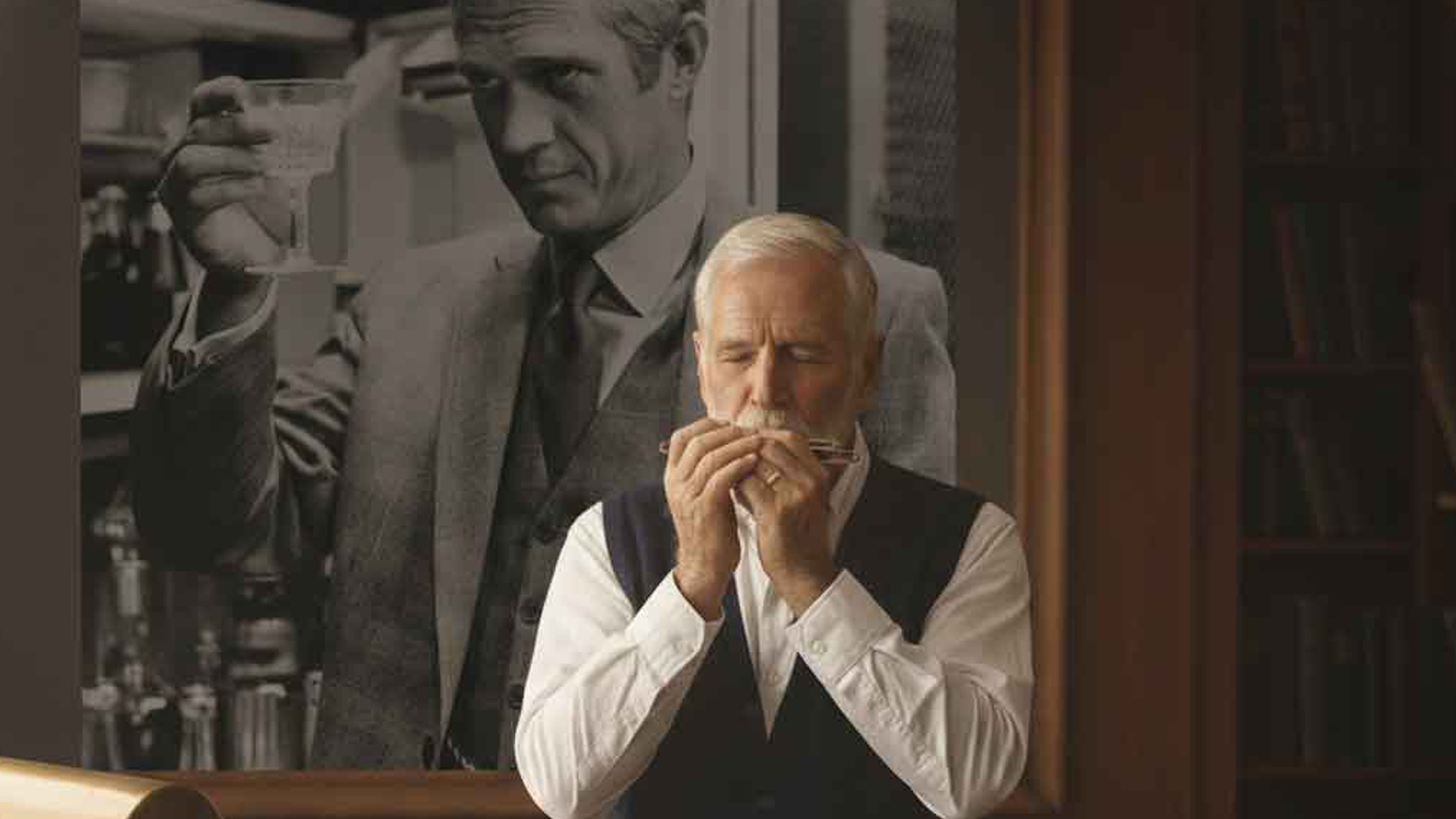
Chapter 87 captures Aaron at a moment of painful clarity. Arriving at Remembers after a sleepless night, he finally recognizes that Belle has been warning him all along, not with cruelty, but with the guarded signals of a woman who is not ready for the kind of unconditional love he longs to give her. That realization breaks something open in him. He sees that while his love for Belle is real, his hope has been tangled up with a “spell” cast by her beauty, mystery, and the dream of what their life together might have been.
What follows is not bitterness, but awakening. Aaron begins to separate true love from the desperate longing that has kept him emotionally captive. He realizes Belle must be free to find her own way, and that loving her does not give him the right to keep trying to rewrite her story. In one of the chapter’s deepest turns, he understands that if there is ever to be a future between them, it cannot come through her need, dependence, or desperation. She would have to choose him freely, just as he has chosen her.
By the end of the chapter, Aaron reaches a quieter, more mature release. The love remains, but the ache begins to loosen its grip. He sees that real love may bless most truly by letting go, by unclenching rather than clinging. In that surrender, Aaron rediscovers another enduring love waiting for him all along: music. Chapter 87 becomes one of the novel’s most important moments of emotional and spiritual release, where heartbreak gives way to acceptance, and acceptance opens the door to peace.

Chapter 88 gives Belle’s side of “The Spell” and reveals that Aaron’s so-called release has not ended the power of what exists between them. In her eyes, the spell is not broken at all — it has only changed form. She knows Aaron loves her with a depth and steadiness unlike anything she has known before, and that is precisely what makes him so difficult to accept. His love is not casual, temporary, or easy to return halfway. It asks for truth, permanence, and the kind of emotional honesty Belle still feels unready to give.
What makes the chapter especially powerful is Belle’s painful self-awareness. She admits that excuses like age difference and timing only cover the deeper truth: she is afraid. Afraid of being fully seen, fully known, and fully loved by someone whose love might actually stay. She compares Aaron with the safer, lighter relationship she maintains elsewhere and recognizes that the difference is not romance versus indifference, but real love versus emotional manageability. Aaron is the kind of love that could reshape a life, and Belle does not yet trust herself enough to let that happen.
By the end of the chapter, Belle exposes the cruel paradox at the heart of her resistance: she loves the way Aaron loves her, yet still refuses to surrender to what that love offers. Beneath all her defenses, she begins to suspect that Aaron sees something true in her that she has never fully faced in herself. Chapter 88 becomes one of the novel’s most revealing late chapters because it shows that Belle’s distance is no longer rooted in doubt about Aaron, but in fear of what it would mean to finally admit she may need exactly the kind of love he has been offering all along.

Chapter 89 is Aaron’s luminous act of release. Instead of pleading for more, he thanks Belle for what her restraint has taught him. He finally understands that her refusal to give him even the smallest “crumb” of what he longed for may not have been cruelty at all, but wisdom — a mercy that kept love from becoming possession and desire from turning into erasure. In that realization, Aaron sees Belle not as the woman who denied him, but as the guide who led him into a deeper, truer understanding of unconditional love.
The chapter becomes a spiritual testimony as Aaron reflects on how profoundly Belle has changed him. Before her, love was tied to outcome, exchange, and expectation. Through her boundaries, silences, and steady refusal to give what she could not fully give, he learns how to love without insisting on being loved back. What Belle awakened in him is not merely longing, but transformation — a better, humbler, more Christ-like version of himself that can bless, release, and keep walking without resentment.
By the end of the chapter, Aaron’s gratitude has replaced ache as the dominant note. He offers Belle reverence, peace, blessing, and a promise that wherever life leads, he will always remember her with love. Chapter 89 stands as one of the novel’s most mature and beautiful emotional resolutions, showing that Aaron’s greatest triumph was not winning Belle, but learning through her how to love in a way that is freer, holier, and more complete than he had ever known before.

Chapter 90 is Belle’s quiet, emotionally mature response to Aaron’s farewell of gratitude. She admits that withholding herself was never simple cruelty, but a desperate form of self-preservation. Belle knows that if she had given Aaron even a small part of what he longed for, the giving might never have stopped. His love was never casual, and that is exactly why it frightened her. It asked for truth, depth, and the surrender of defenses she has spent a lifetime building.
What makes the chapter so moving is Belle’s honesty about the gift Aaron gave her. He loved her without trying to possess her, saw her beyond beauty or performance, and showed her that love can ache without becoming destructive. In Aaron’s presence, Belle experienced a kind of being wanted she had never known before — not for what she could provide, but simply for who she was, even when she could not return his love in equal measure. That realization has not yet made her ready, but it has changed her.
By the end of the chapter, Belle offers both gratitude and acknowledgment. She is still guarded, still not ready to give herself fully, yet she can no longer deny that Aaron’s love healed something in her and made her believe that real, gentle, unpossessive love might actually exist. Chapter 90 closes the novel on a note of tender mutual recognition: what they gave each other may not have become the ending either of them desired, but it was rare, transformative, and worth remembering. Belle’s final “you’re welcome” is also a thank you, and together those words form the quiet, bittersweet grace note on which the story ends.
Want to Earn by Promoting Powerful Stories and Songs?
Join the Founding Clippers Program
Are you skilled at creating short-form video content that gets attention, earns clicks, and drives real results? CreatorsOpedia is building a founding team of clippers to promote creative content starting with the music, novels, and creative world of J. H. McIntosh — including It’s Impossible, Can't Stop It, The Appeal, If Tears Were Dollars, the 177 original songs associated with the novels, the music videos, and related creator properties.
This is not a “best effort” program. It is a performance-based opportunity for creators who know how to turn compelling content into measurable cash flow. Approved clippers will receive tracked links, promotional assets, program rules, and access to monetized funnels designed specifically for clipper-driven traffic.
- Promote original songs, music videos, books, albums, and creator IP
- Use your own creative style while following family-friendly brand guidelines
- Get access to tracked links and designated conversion funnels
- Participate in a generous performance-based compensation model
- Compete for additional monthly recognition and bonus opportunities
Approval is selective. We are looking for creators who can produce strong short-form promotional content, respect intellectual property, and help drive qualified traffic, sales, and streaming activity.